Get It Sorted / Case Study 01

The Renovation Was Finished.
The Electrical Story Wasn't.

Electrical Inspection, Testing & Remedial Work | Essex

The renovation was finished. The kitchen was fitted. The living room had been completed. The floors were tiled. A replacement consumer unit was in place.

But when the homeowner needed the electrical documentation associated with the work, there was a problem. It couldn't be provided.

The paperwork brought us in. The EICR revealed something more.

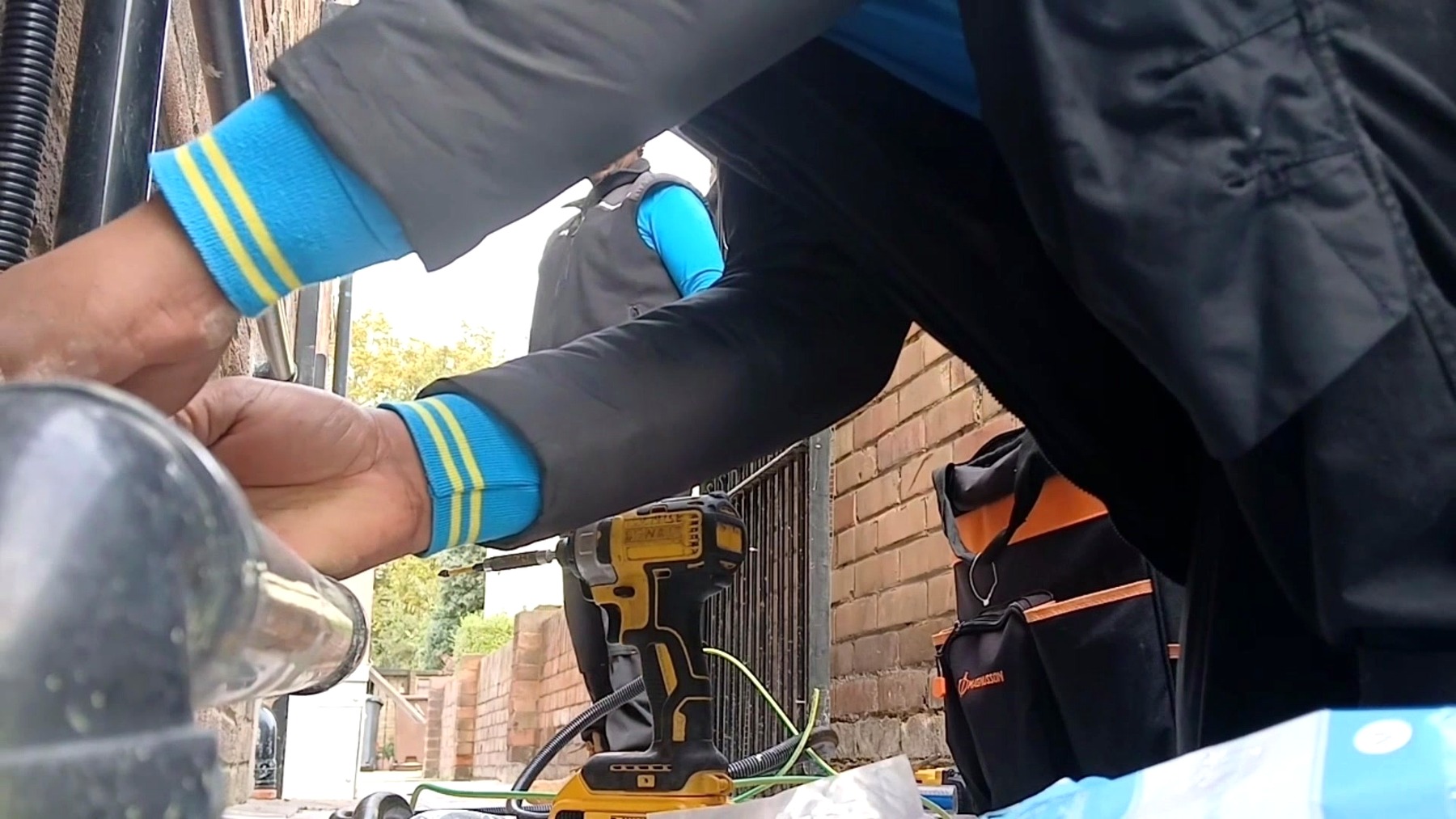
Royale Installation Group carrying out remedial electrical work
Real project evidence — protective bonding remedial work at the property.
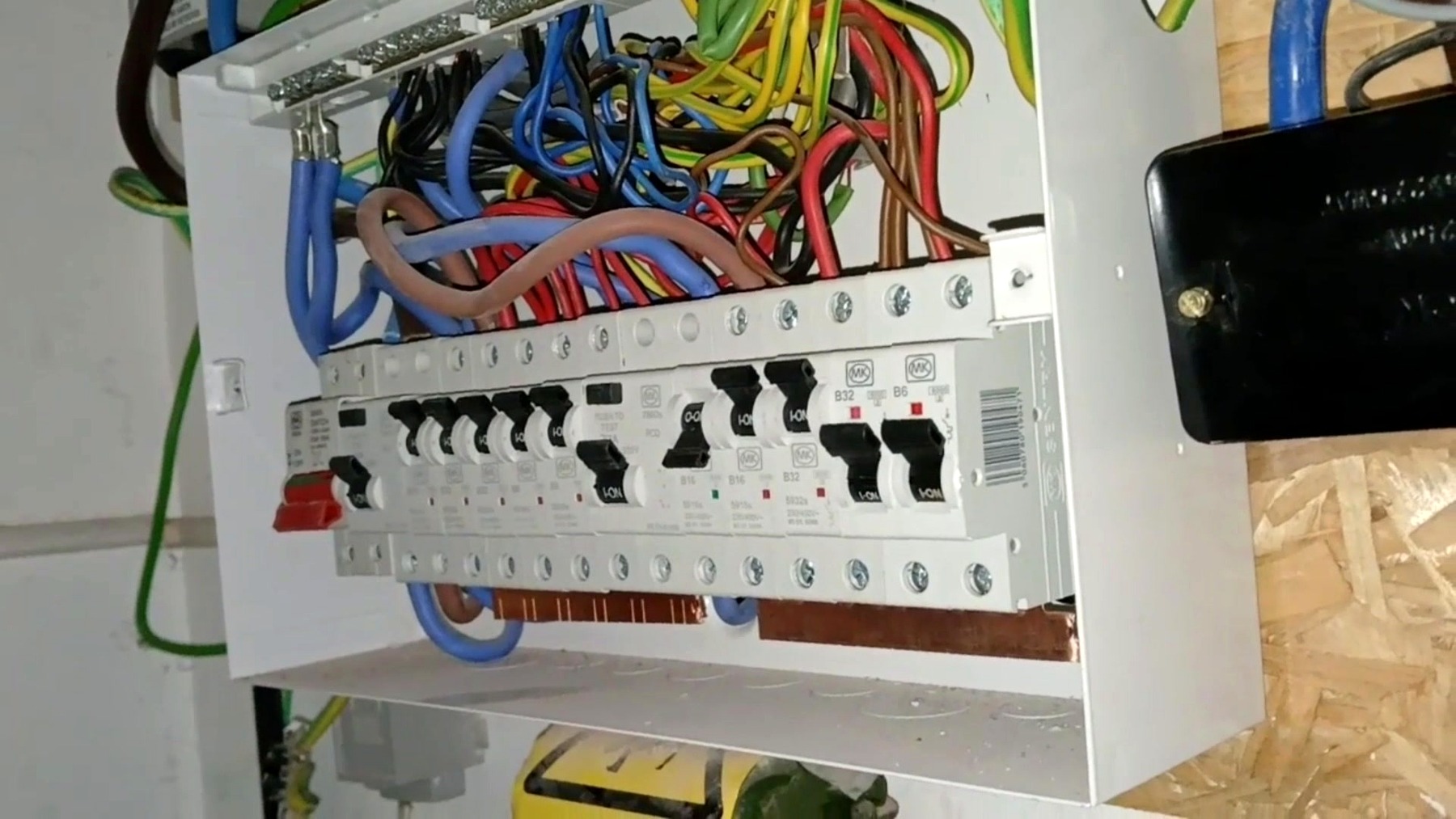
Open consumer unit inspected during the EICR
Inspection of the existing consumer unit formed part of establishing the condition of the installation.

The homeowner needed to establish the condition of the electrical installation and understand how to move forward with the outstanding Building Control position. That is when we were called in.

We Were Called to Carry Out an EICR

The homeowner wasn't asking us to carry out another rewire. We were called to undertake an Electrical Installation Condition Report (EICR) — an independent inspection and test of the existing electrical installation.

Our first job was simple: establish what was actually there. At that point, the full story behind the previous electrical work wasn't yet clear. First, we inspected and tested. And that changed the picture completely.
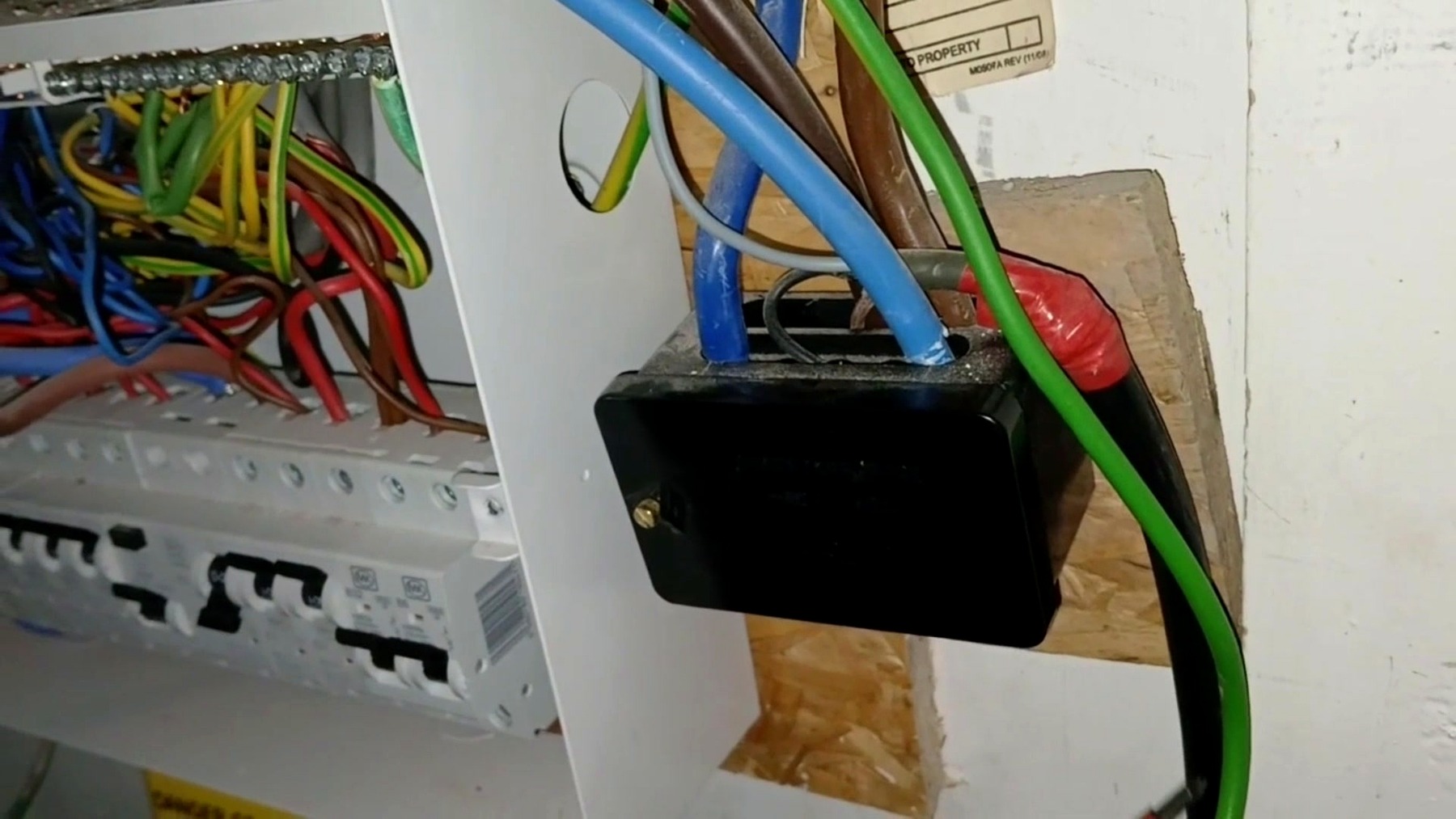
Close electrical detail within the consumer unit
Real inspection evidence from the project.

The first reveal

The Paperwork Brought Us In. The EICR Revealed Something More.

A replacement consumer unit can make an electrical installation appear recently upgraded. But electrical safety cannot be determined by appearance alone. The EICR uncovered serious safety issues.

C1

Danger Present: Consumer Unit Openings

The consumer unit had openings larger than permitted. This was recorded as a C1 — Danger Present observation. Immediate remedial action was required.

C2

Potentially Dangerous: Missing Protective Bonding

Main protective bonding to the gas and water services was absent.

C2

Loose Connections & Signs of Arcing

Inspection within the consumer unit revealed loose electrical connections with evidence of arcing.

The result was an unsatisfactory EICR. Remedial action was required.
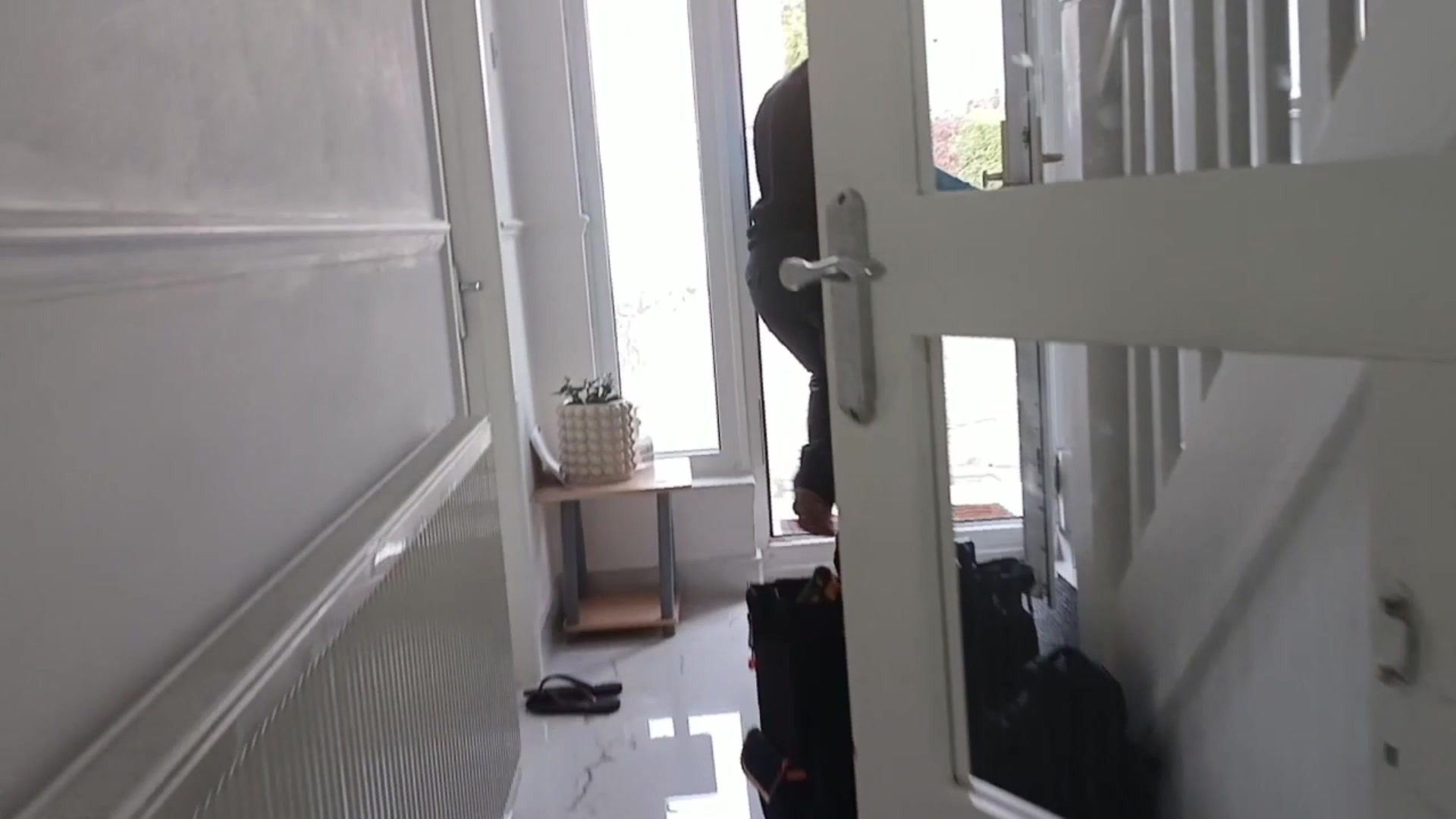
Project evidence

Watch the work. See the inspection evidence.

Project videoInspection and remedial work from the property.
Electrical inspection evidence featured in the Instagram Reel
Instagram ReelSee what we found during the inspection.Watch Reel on Instagram

Appearance vs evidence

What Looked Finished vs What Testing Found

What appeared completeWhat the EICR revealed
Finished renovationUnsatisfactory EICR
Replacement consumer unitC1 — openings larger than permitted
Completed electrical workC2 — missing gas and water bonding
Installation appeared finishedC2 — loose connections with signs of arcing
Tiled floor already completed at the renovated property

The renovation looked finished

BUT THE FLOORS WERE ALREADY TILED.

Electrical issues were being identified after finishes were already in place.

Then the Backstory Became Clear

As the job progressed, we learned more about the work that had taken place before we arrived. The property had undergone substantial renovation, including electrical work and the installation of a replacement consumer unit.

When the homeowner later needed the associated electrical documentation, the required documentation could not be provided. By then, the renovation had already progressed to completion.

Although We Were Registered for Third Party Certification...

By the time we were called in, it was too late to use that route. The electrical work was already complete, the renovation was finished and the floors were tiled.

Third Party Certification requires involvement during the installation process — it isn't a retrospective sign-off service.

Our role therefore wasn't to simply arrive after completion and certify somebody else's finished work. We could inspect, test, establish the condition of the existing installation and identify what needed to happen next.

Putting It Right

Electrical issues are generally less disruptive to investigate and rectify when they are identified at the appropriate stages of a renovation, before finishes restrict access. Once kitchens are fitted, walls are decorated and floors are tiled, the options can become more disruptive.

Once inspection and testing had established the condition of the installation, the remedial work could be based on evidence rather than assumptions.

  • Addressing the consumer-unit openings.
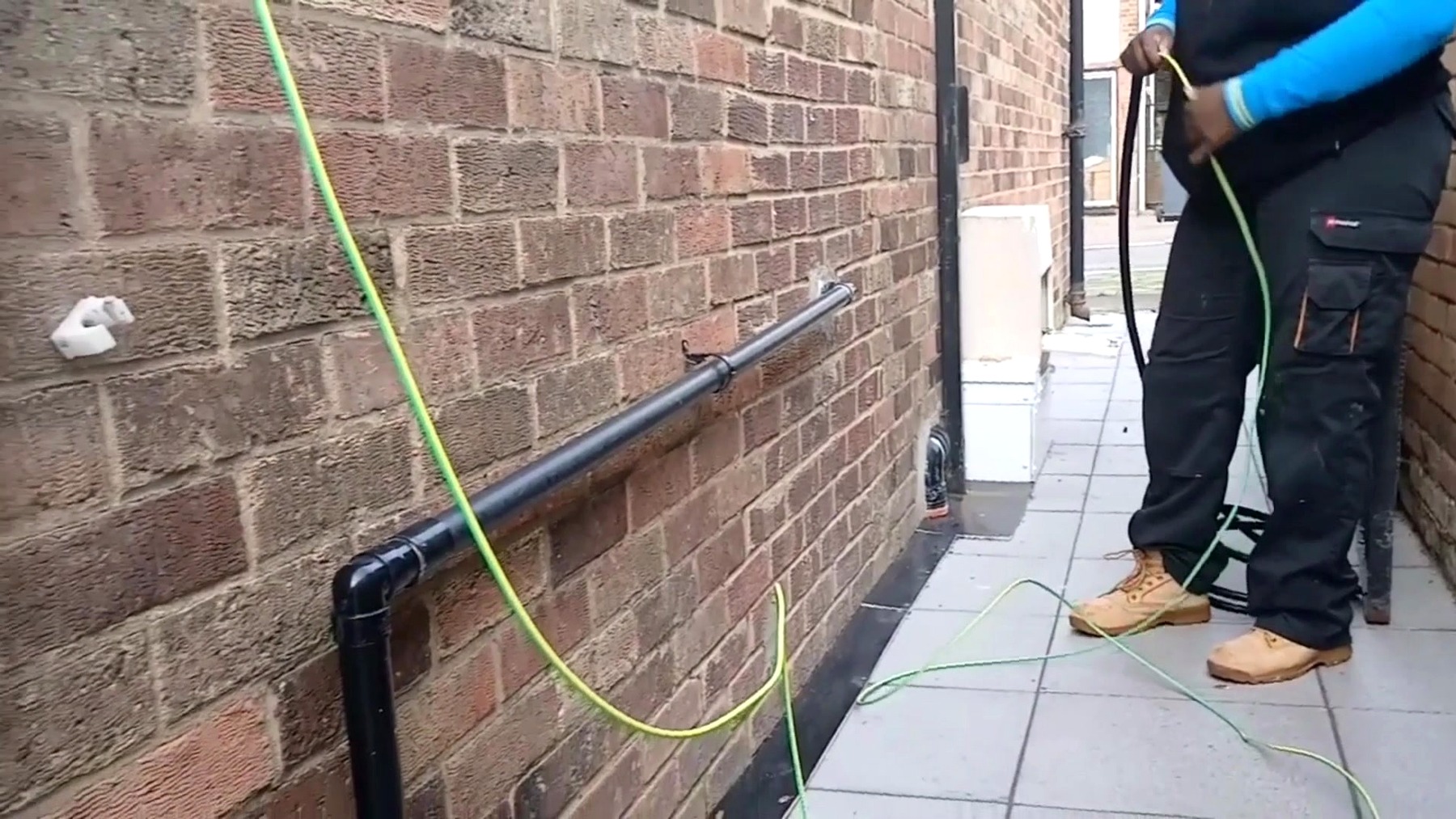
  • Installing the required protective bonding to the gas service.
  • Installing the required protective bonding to the water service.
  • Addressing the loose connections and associated issues within the consumer unit.
Protective bonding conductor routed externally
External route used as part of the remedial bonding work.
Royale Installation Group carrying out remedial work
Remedial work based on the inspection findings.

The homeowner lesson

Inspect. Test. Understand. Then Decide.

Electrical work should be planned, inspected and documented as part of the renovation — not treated as an afterthought once everything looks finished.

Renovating? Ask these questions before the finishes go in.

  • Who is responsible for the electrical design and installation?
  • Who will inspect and test the work?
  • What certification will be provided?
  • Is Building Control notification required?
  • If Third Party Certification is being used, has it been arranged before work starts?
  • Have the electrical stages been coordinated with the rest of the renovation?
GET IT SORTED.From the start.Smart installations. Safer homes. Stronger communities.Discuss Your Project
CALL NOWCONTACT
WhatsApp